
Ariel Ricci • March 11, 2026

How Professional Mold Remediation Works in Boca Raton: Step-by-Step

Molds can grow quickly in warm and humid places like Boca Raton. If left untreated, it can damage walls, furniture, and even affect indoor air quality. Many homeowners try cleaning it themselves, but hidden mold often remains and spreads again. 


Professional mold remediation Boca Raton services follow a careful process. Experts inspect the home, test the air, remove contamination, and restore safe conditions. According to the United States Environmental Protection Agency, mold can start growing within 24–48 hours after water exposure, which is why fast action is important. 


This guide explains the step-by-step process professionals use to remove mold safely. It also covers safety protocols, cleanup methods, and simple tips to keep mold from coming back. 


Why Mold Remediation Is Important for Homes 


Mold problems are more than just ugly spots on walls. They can damage building materials and affect the air you breathe. In humid climates, mold spreads easily through spores that float in the air. 


Research from the Centers for Disease Control and Prevention shows that damp indoor spaces can increase respiratory problems and allergies. Professional treatment helps remove contamination, control moisture, and restore healthy living conditions. 


Step 1: Initial Mold Inspection 


The first step in the cleanup process is a detailed inspection of the property. Professionals look for visible mold, water damage, and areas where moisture collects. Bathrooms, kitchens, basements, and air ducts are common places where mold grows. 


Experts also use tools like moisture meters and thermal cameras. These tools help detect hidden damp spots behind walls or under floors. A proper Mold Inspection ensures the team understands how far the problem has spread before starting treatment. 


Step 2: Professional Mold Testing 


After inspection, specialists collect samples from the air or surfaces. These samples help identify the type and level of mold present in the home. Mold Testing is important because different types may require different cleanup methods. 


Laboratories analyze these samples and provide reports showing contamination levels. According to studies published by the World Health Organization, proper testing helps professionals choose safer and more effective remediation methods. 


Step 3: Containment of the Affected Area 


Once testing confirms mold presence, the next step is containment. This prevents spores from spreading to other parts of the building during cleanup. 


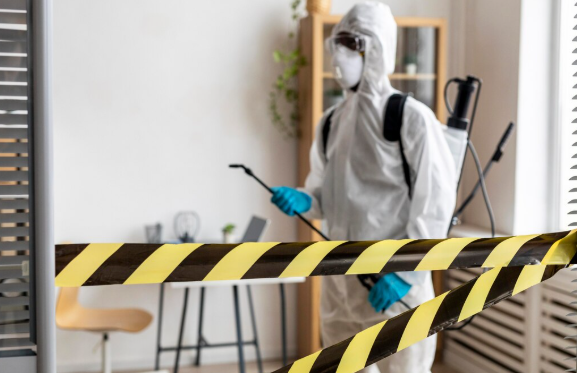
Technicians seal off the contaminated area using plastic barriers and negative air pressure machines. These machines pull air inward so spores cannot escape. Containment keeps the rest of the home safe while work is being done. 


This stage is important because mold spores are microscopic and travel easily through airflow systems. 


Step 4: Air Filtration and Purification 


Air filtration is used to remove airborne spores. Professionals install high-efficiency filters that trap tiny particles from the air. 


Most remediation teams use HEPA air scrubbers and vacuum systems. These machines capture mold spores that normal filters cannot. According to the Environmental Protection Agency, HEPA filters can remove up to 99.97% of particles as small as 0.3 microns. 


Clean air during the process protects both workers and residents. 


Step 5: Removal of Mold-Damaged Materials 


Some building materials cannot be saved once mold spreads deeply. For example, soaked drywalls, insulation, or carpets often need to be removed. 


Technicians carefully cut and remove these materials to stop the mold from spreading further. This step is part of professional removal services that focus on eliminating contaminated surfaces safely. 


All debris is sealed in special bags before being taken out of the property. 


Step 6: Deep Cleaning and Surface Treatment 


After damaged materials are removed, technicians clean the remaining surfaces. Specialized cleaning agents are used to destroy mold colonies and remove spores. 


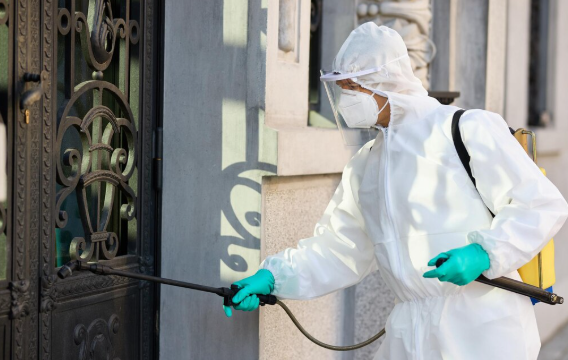
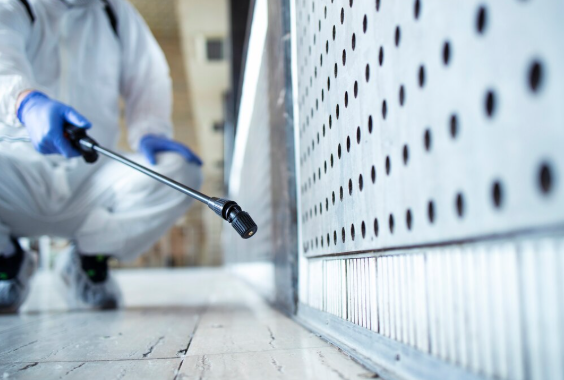
Hard surfaces like wood beams, tiles, and concrete can often be restored through scrubbing and antimicrobial treatments. Professionals also use fogging equipment to disinfect the air and surfaces. 


This step ensures that even microscopic mold particles are eliminated. 


Step 7: Drying and Moisture Control 


Mold grows because of moisture. That is why drying the affected area is a key part of the remediation process. 


Industrial fans and dehumidifiers are placed in the home to remove excess moisture. These machines may run for several days depending on the severity of the damage. 


According to building restoration experts, maintaining indoor humidity below 50% helps prevent mold growth. Proper drying also protects walls, floors, and furniture from further damage. 


Step 8: Restoration and Repairs 


Once the area is clean and dry, restoration work begins. This step focuses on repairing parts of the property that were damaged during mold removal. 


Repairs may include installing new drywalls, painting walls, replacing insulation, or restoring flooring. The goal is to return home to its original condition. 


Professional mold Remediation services often include both cleanup and restoration, making the process easier for homeowners. 


Understanding Professional Safety Protocols 


Safety protocols are essential during mold removal. Without proper precautions, spores can spread or cause health problems. 


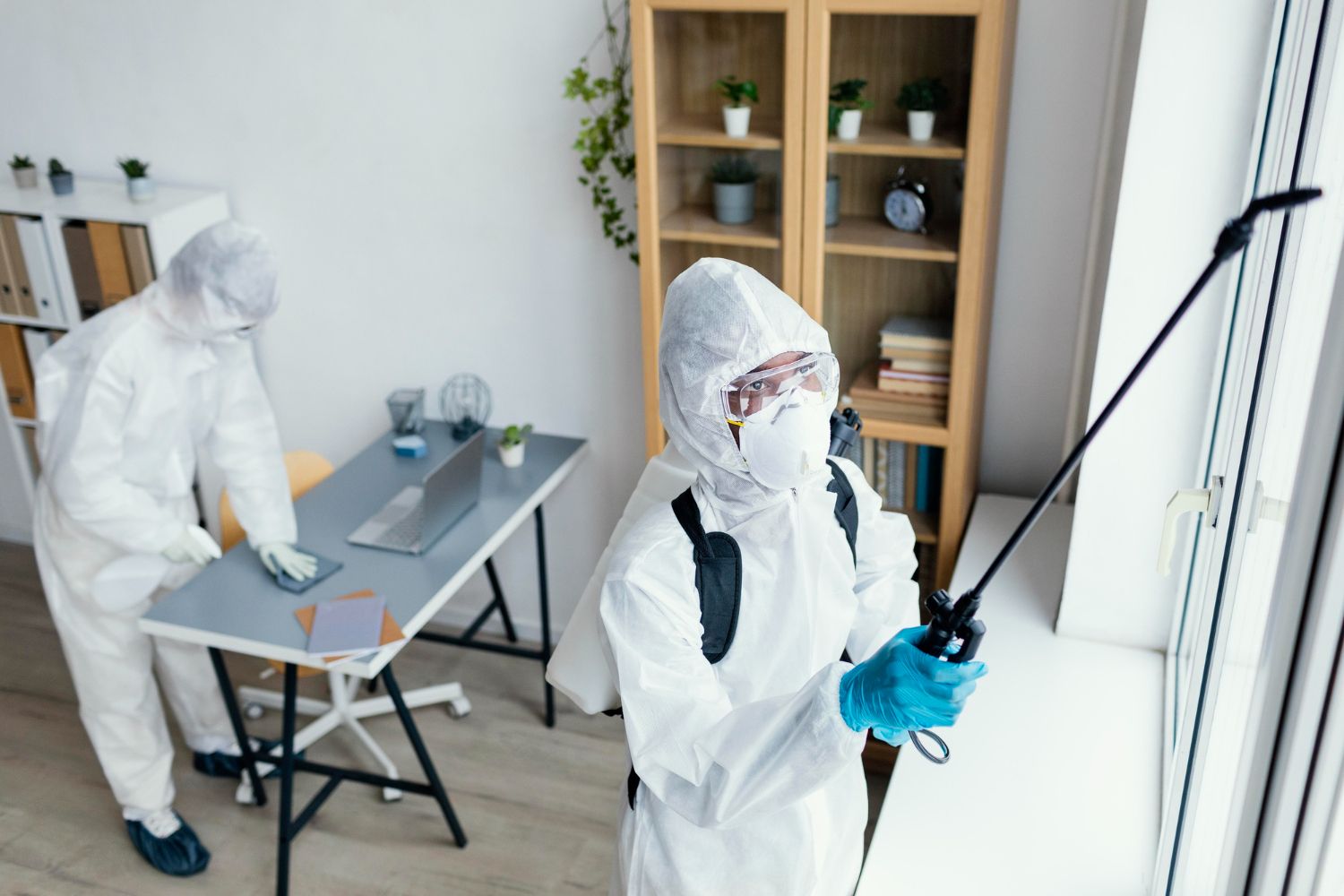
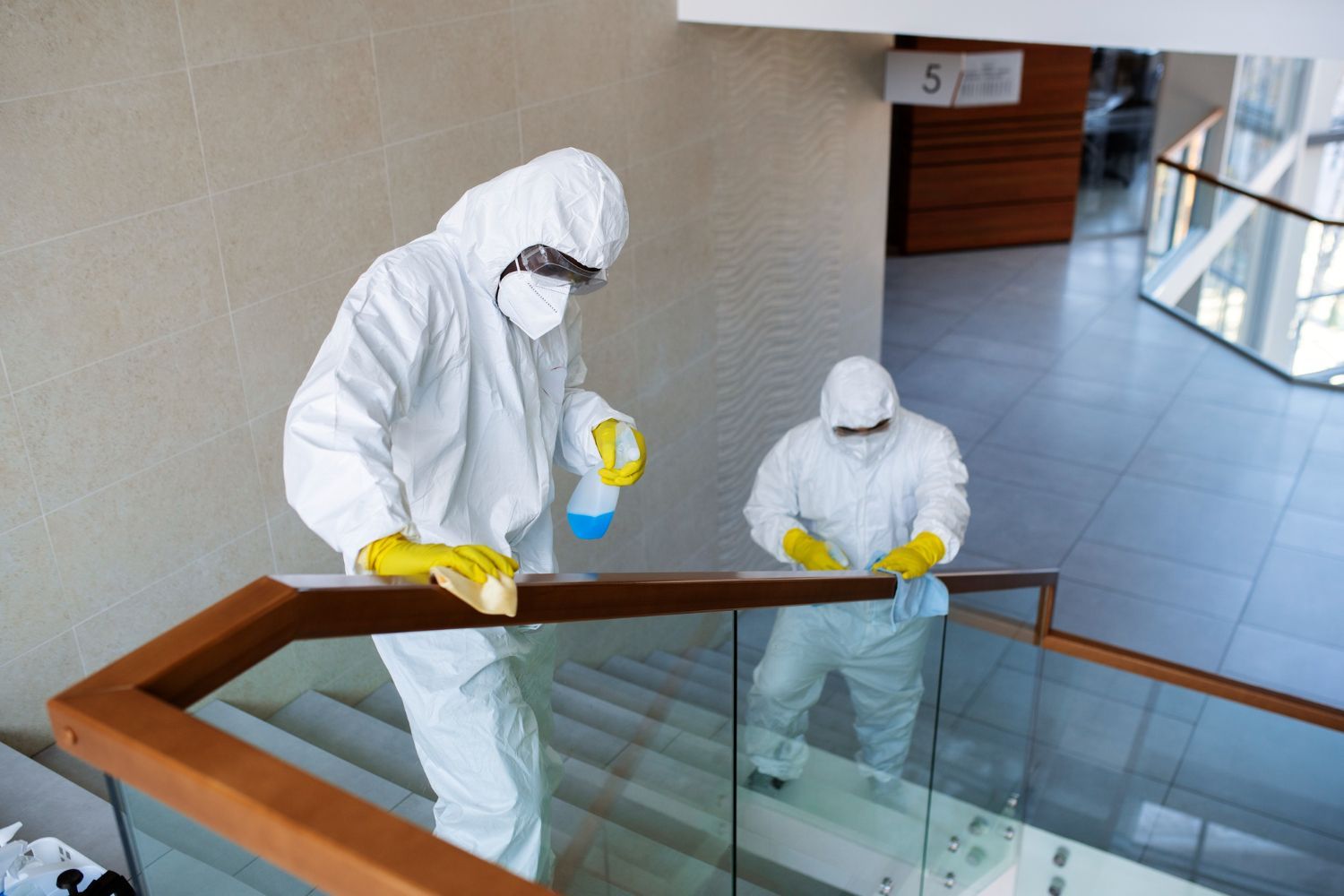
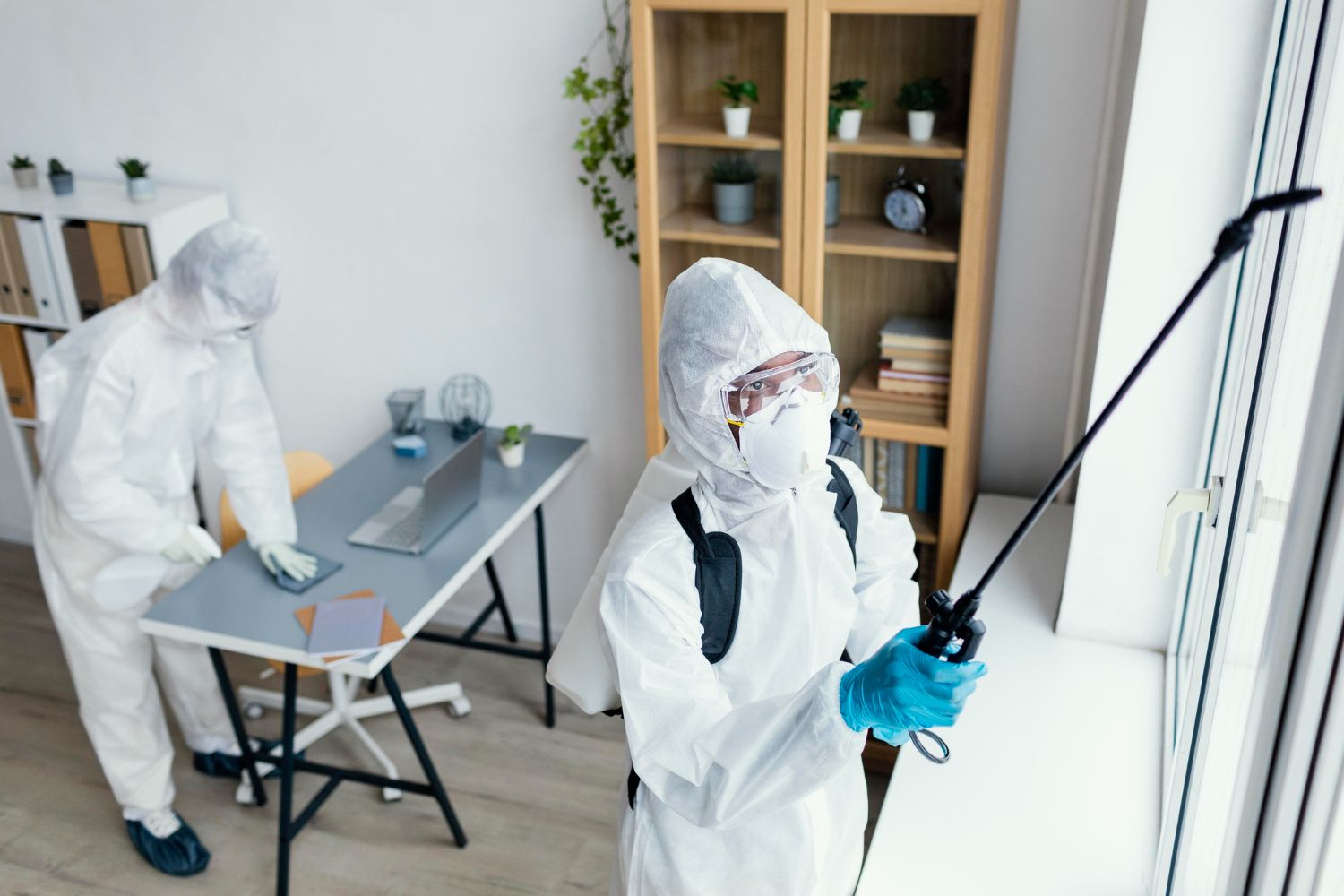
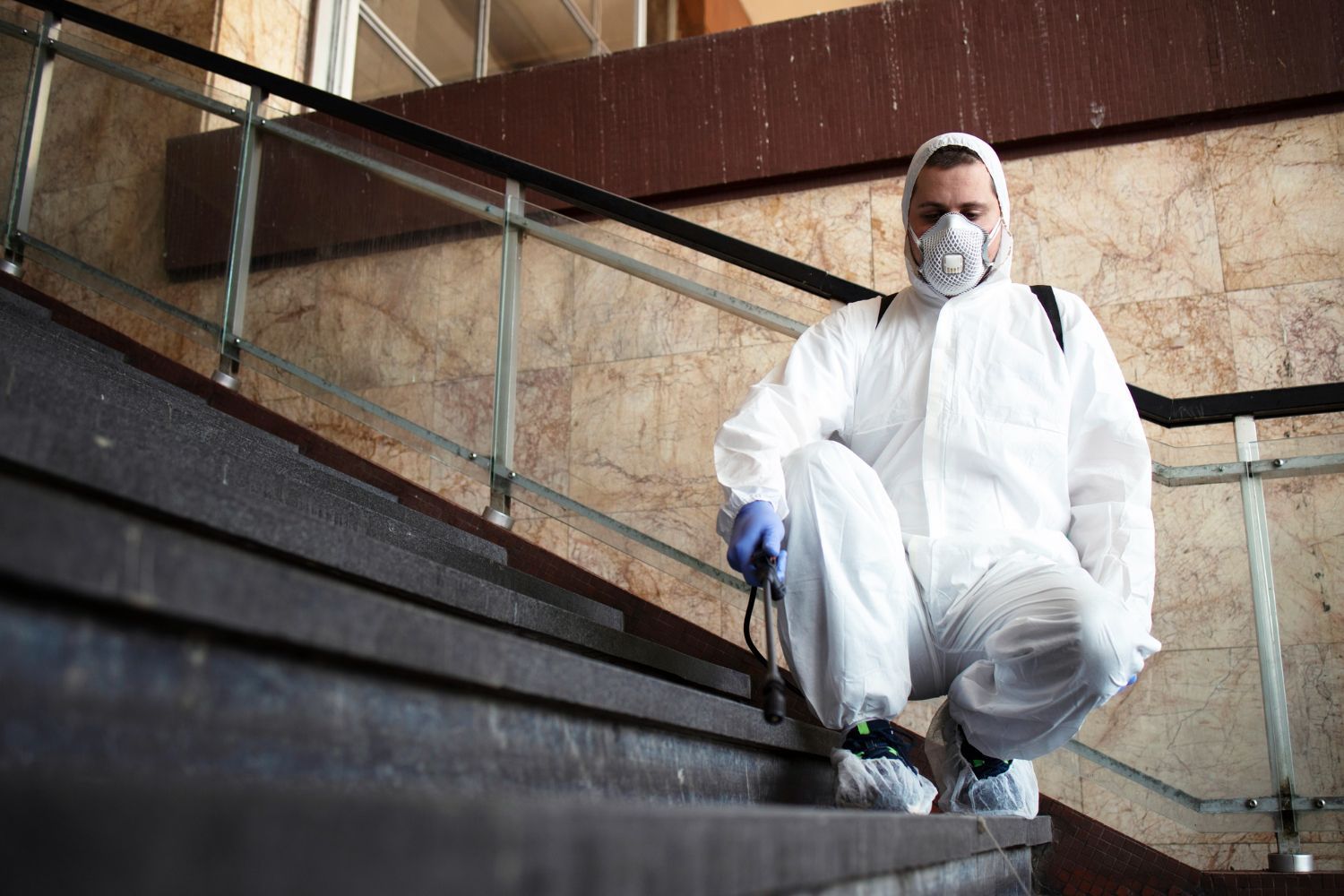
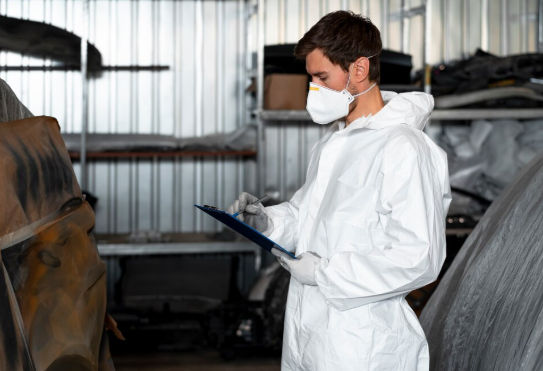
Professionals wear protective equipment such as masks, gloves, and suits. They also follow industry guidelines for containment and waste disposal. 


Organizations like the Institute of Inspection Cleaning and Restoration Certification provide standards that remediation teams follow. These standards ensure that the cleanup is done safely and effectively. 


Tools and Technology Used by Experts 


Modern remediation companies use advanced equipment to improve accuracy and safety. These tools help detect moisture, remove spores, and clean surfaces more effectively. 


Common tools include: 


  • HEPA air scrubbers 
  • Moisture meters 
  • Thermal imaging cameras 
  • Industrial dehumidifiers 
  • Negative air machines 

These technologies make the cleanup process faster and more reliable. 


Mid-Process Example of Professional Service 


In the middle of a remediation project, technicians review inspection results, adjust containment zones, and check moisture levels again. Companies like Mold Remediation Boca Raton follow structured procedures to ensure that every stage meets safety and quality standards. 


This careful monitoring helps ensure that the problem is completely resolved before moving to the final stage of restoration. 


How Long the Remediation Process Takes 


The time required depends on the size of the affected area and the level of contamination. 


Small problems may take 1–3 days to clean, while larger projects can take a week or more. Drying and testing may extend the timeline. 


Factors that influence duration include: 


  • Amount of moisture damage 
  • Type of building materials affected 
  • Size of the contaminated area 
  • Indoor humidity levels 

Professional assessment helps determine the exact timeline. 


Costs of Professional Mold Remediation 


The cost of remediation varies based on the severity of the mold problem. Minor cleanup jobs can cost a few hundred dollars, while large-scale projects may cost several thousand. 


According to industry data from HomeAdvisor, the average remediation cost in the United States ranges between $1,500 and $6,000 depending on the damage level. 


Investing professional cleanups can save money in the long run by preventing structural damage and recurring mold problems. 


Post-Remediation Verification 


After the cleanup is finished, professionals perform a final inspection. This step confirms that mold levels have returned to safe levels. 


Air samples may be collected again and compared with the earlier results. If the readings show normal levels, the remediation project is considered complete. 


Verification ensures that the property is safe for normal use. 


Post-Remediation Tips to Prevent Mold 


Preventing mold is easier than removing it. After remediation, homeowners should follow simple steps to keep their homes dry and clean. 


Key tips include: 


  • Fix water leaks quickly 
  • Keep indoor humidity below 50% 
  • Use exhaust fans in kitchens and bathrooms 
  • Improve ventilation in damp areas 
  • Clean and maintain HVAC systems regularly 

According to the EPA, controlling moisture is the most effective way to prevent mold growth indoors. 


Signs You Should Call Professionals 


Many people notice mold only after it spreads widely. Knowing the early warning signs can help prevent serious damage. 


Common signs include: 


  • Musty smell in rooms 
  • Visible dark spots on walls or ceilings 
  • Frequent allergy symptoms indoors 
  • Water stains or damp patches 

If you notice these signs, it is wise to seek professional help before the problem becomes larger. 


When to Seek Expert Assistance 


Small surface mold may be manageable with household cleaning, but larger infestations require professional attention. Experts understand how mold spreads and how to remove it safely. 


Professional teams follow strict procedures, advanced testing methods, and safety guidelines. This reduces health risks and prevents mold from returning. 


For property owners dealing with recurring mold issues, expert evaluation is often the best solution. 


Conclusion 

Professional mold removal is a structured process that focuses on inspection, containment, cleanup, drying, and restoration. Each step is designed to remove contamination safely while protecting indoor air quality and property structure. In humid areas like Boca Raton, early action can prevent serious damage and health concerns. If you suspect mold in your home or business, it is best to act quickly. Contact us Mold Remediation Boca Raton today to schedule an inspection and get expert help restoring a clean and safe environment. 


Frequently Asked Questions (FAQs)

  • What causes mold growth in homes?

    Mold usually grows when moisture stays in one place for too long. Leaks, flooding, high humidity, or poor ventilation can create the perfect environment for mold to develop. 

  • How long does professional mold remediation take?

    Most small projects take between one and three days. Larger contamination problems may require a week or more, especially if repairs and drying are needed.

  • Is mold dangerous to your health?

    Some mold types can affect indoor air quality and trigger allergies or breathing issues. That is why professional cleanup and proper ventilation are important. 

  • Can mold return after remediation?

    Yes, mold can return if moisture problems are not fixed. Controlling humidity and repairing leaks helps prevent future growth. 

  • When should I call a mold remediation professional?

    You should contact experts if mold covers a large area, keeps coming back, or appears after water damage. Professionals have the tools and training to remove it safely. 

Recent Post
By Massimiliano Ricci April 11, 2026
Mold growth in offices and commercial buildings is a serious concern for building owners and facility managers. In Boca Raton, Florida, the subtropical climate with high humidity and frequent rainfall makes commercial mold prevention Boca Raton crucial. Mold not only affects structural integrity but also reduces indoor air quality and can cause health problems for employees. Preventive strategies include HVAC maintenance, monitoring water leaks, improving ventilation, and regular inspections. Implementing these measures early reduces costly remediation efforts, protects workplace safety, and ensures employees remain productive in a healthy environment. Understanding Mold Risks in Commercial Buildings Mold thrives in damp, warm, and poorly ventilated areas. Offices, storage spaces, and utility rooms often have the perfect conditions for mold growth if humidity and leaks are not controlled. According to the EPA, exposure to mold can lead to respiratory issues, allergic reactions, and long-term health concerns, particularly for employees with asthma or compromised immune systems. Commercial buildings in Boca Raton are especially vulnerable due to tropical storms, high rainfall, and prolonged humidity. Understanding these risks allows managers to plan preventive measures such as regular inspections, proper ventilation, and routine maintenance. Conducting Regular Mold Inspection Regular Mold Inspection services in Boca Raton, FL are essential for identifying early signs of mold before it becomes a severe problem. Inspections focus on areas with water exposure, such as bathrooms, kitchens, storage rooms, and HVAC systems. Professional inspectors use moisture meters, infrared cameras, and air sampling to detect hidden mold. According to the American Industrial Hygiene Association, early detection through inspections can reduce mold remediation costs by up to 50%. Consistent inspections are the first step in maintaining a safe and mold-free commercial environment. HVAC Maintenance for Mold Prevention HVAC systems can be a major source of mold if not properly maintained. Moisture can accumulate in ducts, air filters, and cooling coils, creating a perfect environment for mold spores. Regular HVAC maintenance controls humidity levels, improves airflow, and reduces mold risk. A study by the Indoor Air Quality Association found that proper HVAC maintenance can improve indoor air quality by up to 30%. For commercial buildings, clean air systems not only prevent mold but also enhance employee comfort and reduce respiratory issues. Addressing Water Leaks Promptly Water leaks from roofs, plumbing, or windows are one of the leading causes of mold growth in offices. Even minor leaks can lead to mold colonization within 48–72 hours. Prompt detection and repair are critical for commercial mold prevention Boca Raton. The National Institute of Standards and Technology reports that unchecked water leaks can compromise structural integrity and promote mold development. Regular monitoring, leak detection sensors, and immediate repairs reduce the likelihood of mold outbreaks and minimize expensive restoration projects. Controlling Humidity and Improving Ventilation High indoor humidity creates favorable conditions for mold. Maintaining indoor humidity levels below 50% is recommended to prevent spore growth. Dehumidifiers, proper ventilation, and air circulation help keep moisture under control. Well-ventilated offices not only prevent mold but also improve indoor air quality and employee productivity. OSHA emphasizes that controlling moisture and providing adequate ventilation is essential to maintaining workplace safety and comfort. Using Mold-Resistant Materials Choosing mold-resistant construction and renovation materials can help prevent mold growth. Mold-resistant drywall, insulation, and paints are ideal for high-moisture areas like bathrooms, kitchens, and basements. These materials are specially treated to resist fungal growth and can reduce long-term maintenance costs. Facilities using mold-resistant materials report fewer incidents of mold and associated damages, saving time and money while maintaining a healthier office environment. Implementing Mold Testing Procedures Mold Testing is a critical tool for identifying both visible and hidden mold contamination. Professional Mold Testing assesses spore levels, species, and potential health risks, providing data to guide remediation efforts. Regular testing is recommended after water damage or as part of routine inspections. Testing ensures accurate identification and targeted removal, preventing unnecessary remediation and protecting indoor air quality for employees. Professional Mold Remediation Services Even with preventive measures, mold can sometimes develop. Professional Mold Remediation ensures complete and safe removal of mold from commercial properties. Remediation may include cleaning or replacing contaminated materials, disinfecting surfaces, and addressing underlying moisture issues. According to the Mold Remediation Industry Association, professional remediation reduces recurrence rates by over 70%. Engaging a Mold specialist in Boca Raton guarantees thorough treatment and long-term protection for your workplace. Monitoring Indoor Air Quality Indoor air quality monitoring is an effective way to detect mold risk early. High humidity, musty odors, or increased respiratory complaints among employees can signal a developing mold problem. Using air quality monitors, moisture sensors, and regular HVAC inspections allows facility managers to maintain safe and healthy indoor environments. Proper monitoring reduces absenteeism, improves productivity, and safeguards employee health. Workplace Safety and Mold Awareness Mold affects workplace safety and employee well-being. Training staff to recognize leaks, moisture buildup, or visible mold is essential. Establishing reporting protocols ensures prompt intervention before issues escalate. Proactive workplace education reduces health risks, prevents structural damage, and lowers legal liability. OSHA recommends integrating mold awareness into workplace safety programs for commercial buildings, particularly in humid climates like Boca Raton. Establishing a Regular Maintenance Schedule Routine maintenance is vital for long-term mold prevention. Scheduled inspections, HVAC cleaning, leak monitoring, and mold testing create a proactive approach that prevents mold from developing. Buildings that follow regular maintenance plans experience fewer mold-related insurance claims and lower restoration costs. A structured program ensures early detection, effective prevention, and healthier work environments. Working with a Mold Specialist in Boca Raton Hiring a Mold specialist in Boca Raton ensures your property receives expert attention tailored to local conditions. Specialists provide inspections, testing, remediation, and preventive strategies that address the city’s high humidity and heavy rainfall. Local expertise is invaluable for compliance with Florida regulations and for recommending effective solutions. A qualified specialist ensures that mold is eliminated safely, reducing risks to both the building and its occupants. Conclusion Preventing mold in Boca Raton offices and commercial buildings is essential for employee health, workplace safety, and property value. Effective strategies include regular HVAC maintenance, prompt leak repairs, indoor air quality monitoring, mold testing, and professional remediation when necessary. Implementing these measures ensures a safe, productive, and mold-free environment. For comprehensive mold prevention and expert services, Contact us Mold Remediation in Boca Raton today and protect your commercial property before mold becomes a problem. Frequently Asked Questions
By Massimiliano Ricci April 11, 2026
Boca Raton’s subtropical climate creates perfect conditions for mold growth. High humidity, frequent rain, and seasonal storms increase moisture levels in homes and commercial buildings. Without proper prevention, mold can damage structures, lower indoor air quality, and cause health issues such as allergies or respiratory problems. Understanding Boca Raton mold prevention weather is essential for homeowners and business managers. With the right strategies, including humidity monitoring, mold testing, and timely remediation, properties can remain safe and mold-free. This guide provides detailed tips for identifying risks, preventing growth, and maintaining a healthy indoor environment. Understanding Boca Raton’s Humidity Patterns Humidity is the primary factor contributing to mold growth in Boca Raton. The city averages around 75% humidity throughout the year, creating a damp environment for spores to thrive. Monitoring humidity patterns helps homeowners prevent mold accumulation in walls, basements, and attics. Using dehumidifiers, improving ventilation, and sealing leaks can reduce moisture. According to the Florida Department of Health, maintaining indoor humidity below 50% significantly lowers mold risk. Storm Impact on Mold Growth Seasonal storms, including hurricanes and tropical rain events, introduce excessive water into homes. Roof leaks, flooding, and high moisture levels can trigger rapid mold growth within 48–72 hours. Properties in Boca Raton are particularly vulnerable during the wet season from June to September. Mold Inspection services in Boca Raton, FL can identify areas at risk, ensuring timely intervention. Proper drainage, storm-proofing, and routine maintenance reduce water exposure and mold formation. Seasonal Tips for Mold Prevention Different seasons require targeted mold prevention strategies. During summer, increased heat and humidity demand constant air circulation and dehumidification. In winter, condensation on windows and pipes can create hidden mold-prone areas. Homeowners should perform seasonal inspections, check for leaks, and clean gutters to prevent standing water. Professional Mold Remediation may be necessary if previous water damage occurred. Seasonal awareness helps maintain a safe and mold-free environment year-round. Protecting Your Home From Moisture Home protection against mold begins with addressing moisture sources. Common contributors include plumbing leaks, roof damage, and inadequate ventilation. Routine maintenance, such as fixing leaks, installing vapor barriers, and insulating pipes, prevents water accumulation. Mold Testing helps detect hidden spores, enabling early intervention. Data from the Environmental Protection Agency shows that early moisture control reduces mold remediation costs by up to 50%. Importance of Mold Testing Mold Testing is crucial for detecting both visible and hidden mold. Professional testing identifies species, spore concentration, and potential health risks. Testing should be conducted after water intrusion events, during inspections, or when health concerns arise. Professional Mold Testing provides actionable insights, ensuring remediation efforts target the right areas and preventing future mold growth. Professional Mold Remediation Services Even with preventive measures, mold may develop. Engaging Professional Mold Remediation ensures complete and safe mold removal . Remediation involves cleaning contaminated surfaces, replacing affected materials, and addressing the root cause of moisture. According to the Mold Remediation Industry Association, professional treatment reduces recurrence rates by over 70%. A Mold specialist in Boca Raton can implement long-term strategies to maintain a safe environment. Working With a Mold Specialist in Boca Raton Local expertise is essential for effective mold prevention. Mold specialists in Boca Raton understand local humidity patterns, storm risks, and building structures prone to moisture. Consulting with a mold specialist ensures accurate inspections, proper testing, and targeted remediation strategies. These experts can also provide home protection guidance, including ventilation improvements, gutter maintenance, and routine monitoring to prevent mold reoccurrence. Monitoring Indoor Air Quality Indoor air quality monitoring helps detect early signs of mold growth. Increased humidity, musty odors, or employee respiratory complaints can indicate hidden mold. Tools like moisture sensors and air quality monitors allow homeowners and building managers to maintain a healthy environment. Improved air quality enhances comfort, safety, and long-term property value. Regular monitoring complements seasonal tips and professional interventions. Preventive Home Maintenance Checklist Creating a mold prevention routine is key to long-term protection. Essential steps include: Checking plumbing for leaks Cleaning gutters and downspouts MaintainingHVAC ystems Inspecting roof and attic for water intrusion Performing regular Mold Testing Following this checklist reduces the likelihood of mold formation and minimizes future remediation costs. A structured approach ensures both immediate and long-term home protection. Conclusion Boca Raton mold prevention weather strategies are critical for maintaining a healthy and safe home. High humidity, seasonal storms, and Florida’s wet climate make proactive measures essential. Implementing humidity control, storm preparedness, regular inspections, Mold Testing, and professional Mold Remediation ensures homes remain mold-free. For expert guidance and comprehensive mold protection, C onntact us Mold Remediation in Boca Raton today and safeguard your property against future mold growth. Frequently Asked Questions
By Ariel Ricci March 11, 2026
Learn simple ways to prevent mold in Boca Raton homes with humidity control, ventilation, and cleaning tips. Protect your home—schedule a professional check today.
By Ariel Ricci March 2, 2026
Learn how to tell if you have mold in Boca Raton. Spot early signs, health symptoms, and hidden clues. Call now for a professional inspection!
By Ariel Ricci February 28, 2026
Learn what causes mold in Boca Raton homes and how to prevent it. Simple tips, health risks, and expert help. Call today for a free inspection!
By Massimiliano Ricci April 11, 2026
Mold growth in offices and commercial buildings is a serious concern for building owners and facility managers. In Boca Raton, Florida, the subtropical climate with high humidity and frequent rainfall makes commercial mold prevention Boca Raton crucial. Mold not only affects structural integrity but also reduces indoor air quality and can cause health problems for employees. Preventive strategies include HVAC maintenance, monitoring water leaks, improving ventilation, and regular inspections. Implementing these measures early reduces costly remediation efforts, protects workplace safety, and ensures employees remain productive in a healthy environment. Understanding Mold Risks in Commercial Buildings Mold thrives in damp, warm, and poorly ventilated areas. Offices, storage spaces, and utility rooms often have the perfect conditions for mold growth if humidity and leaks are not controlled. According to the EPA, exposure to mold can lead to respiratory issues, allergic reactions, and long-term health concerns, particularly for employees with asthma or compromised immune systems. Commercial buildings in Boca Raton are especially vulnerable due to tropical storms, high rainfall, and prolonged humidity. Understanding these risks allows managers to plan preventive measures such as regular inspections, proper ventilation, and routine maintenance. Conducting Regular Mold Inspection Regular Mold Inspection services in Boca Raton, FL are essential for identifying early signs of mold before it becomes a severe problem. Inspections focus on areas with water exposure, such as bathrooms, kitchens, storage rooms, and HVAC systems. Professional inspectors use moisture meters, infrared cameras, and air sampling to detect hidden mold. According to the American Industrial Hygiene Association, early detection through inspections can reduce mold remediation costs by up to 50%. Consistent inspections are the first step in maintaining a safe and mold-free commercial environment. HVAC Maintenance for Mold Prevention HVAC systems can be a major source of mold if not properly maintained. Moisture can accumulate in ducts, air filters, and cooling coils, creating a perfect environment for mold spores. Regular HVAC maintenance controls humidity levels, improves airflow, and reduces mold risk. A study by the Indoor Air Quality Association found that proper HVAC maintenance can improve indoor air quality by up to 30%. For commercial buildings, clean air systems not only prevent mold but also enhance employee comfort and reduce respiratory issues. Addressing Water Leaks Promptly Water leaks from roofs, plumbing, or windows are one of the leading causes of mold growth in offices. Even minor leaks can lead to mold colonization within 48–72 hours. Prompt detection and repair are critical for commercial mold prevention Boca Raton. The National Institute of Standards and Technology reports that unchecked water leaks can compromise structural integrity and promote mold development. Regular monitoring, leak detection sensors, and immediate repairs reduce the likelihood of mold outbreaks and minimize expensive restoration projects. Controlling Humidity and Improving Ventilation High indoor humidity creates favorable conditions for mold. Maintaining indoor humidity levels below 50% is recommended to prevent spore growth. Dehumidifiers, proper ventilation, and air circulation help keep moisture under control. Well-ventilated offices not only prevent mold but also improve indoor air quality and employee productivity. OSHA emphasizes that controlling moisture and providing adequate ventilation is essential to maintaining workplace safety and comfort. Using Mold-Resistant Materials Choosing mold-resistant construction and renovation materials can help prevent mold growth. Mold-resistant drywall, insulation, and paints are ideal for high-moisture areas like bathrooms, kitchens, and basements. These materials are specially treated to resist fungal growth and can reduce long-term maintenance costs. Facilities using mold-resistant materials report fewer incidents of mold and associated damages, saving time and money while maintaining a healthier office environment. Implementing Mold Testing Procedures Mold Testing is a critical tool for identifying both visible and hidden mold contamination. Professional Mold Testing assesses spore levels, species, and potential health risks, providing data to guide remediation efforts. Regular testing is recommended after water damage or as part of routine inspections. Testing ensures accurate identification and targeted removal, preventing unnecessary remediation and protecting indoor air quality for employees. Professional Mold Remediation Services Even with preventive measures, mold can sometimes develop. Professional Mold Remediation ensures complete and safe removal of mold from commercial properties. Remediation may include cleaning or replacing contaminated materials, disinfecting surfaces, and addressing underlying moisture issues. According to the Mold Remediation Industry Association, professional remediation reduces recurrence rates by over 70%. Engaging a Mold specialist in Boca Raton guarantees thorough treatment and long-term protection for your workplace. Monitoring Indoor Air Quality Indoor air quality monitoring is an effective way to detect mold risk early. High humidity, musty odors, or increased respiratory complaints among employees can signal a developing mold problem. Using air quality monitors, moisture sensors, and regular HVAC inspections allows facility managers to maintain safe and healthy indoor environments. Proper monitoring reduces absenteeism, improves productivity, and safeguards employee health. Workplace Safety and Mold Awareness Mold affects workplace safety and employee well-being. Training staff to recognize leaks, moisture buildup, or visible mold is essential. Establishing reporting protocols ensures prompt intervention before issues escalate. Proactive workplace education reduces health risks, prevents structural damage, and lowers legal liability. OSHA recommends integrating mold awareness into workplace safety programs for commercial buildings, particularly in humid climates like Boca Raton. Establishing a Regular Maintenance Schedule Routine maintenance is vital for long-term mold prevention. Scheduled inspections, HVAC cleaning, leak monitoring, and mold testing create a proactive approach that prevents mold from developing. Buildings that follow regular maintenance plans experience fewer mold-related insurance claims and lower restoration costs. A structured program ensures early detection, effective prevention, and healthier work environments. Working with a Mold Specialist in Boca Raton Hiring a Mold specialist in Boca Raton ensures your property receives expert attention tailored to local conditions. Specialists provide inspections, testing, remediation, and preventive strategies that address the city’s high humidity and heavy rainfall. Local expertise is invaluable for compliance with Florida regulations and for recommending effective solutions. A qualified specialist ensures that mold is eliminated safely, reducing risks to both the building and its occupants. Conclusion Preventing mold in Boca Raton offices and commercial buildings is essential for employee health, workplace safety, and property value. Effective strategies include regular HVAC maintenance, prompt leak repairs, indoor air quality monitoring, mold testing, and professional remediation when necessary. Implementing these measures ensures a safe, productive, and mold-free environment. For comprehensive mold prevention and expert services, Contact us Mold Remediation in Boca Raton today and protect your commercial property before mold becomes a problem. Frequently Asked Questions
By Massimiliano Ricci April 11, 2026
Boca Raton’s subtropical climate creates perfect conditions for mold growth. High humidity, frequent rain, and seasonal storms increase moisture levels in homes and commercial buildings. Without proper prevention, mold can damage structures, lower indoor air quality, and cause health issues such as allergies or respiratory problems. Understanding Boca Raton mold prevention weather is essential for homeowners and business managers. With the right strategies, including humidity monitoring, mold testing, and timely remediation, properties can remain safe and mold-free. This guide provides detailed tips for identifying risks, preventing growth, and maintaining a healthy indoor environment. Understanding Boca Raton’s Humidity Patterns Humidity is the primary factor contributing to mold growth in Boca Raton. The city averages around 75% humidity throughout the year, creating a damp environment for spores to thrive. Monitoring humidity patterns helps homeowners prevent mold accumulation in walls, basements, and attics. Using dehumidifiers, improving ventilation, and sealing leaks can reduce moisture. According to the Florida Department of Health, maintaining indoor humidity below 50% significantly lowers mold risk. Storm Impact on Mold Growth Seasonal storms, including hurricanes and tropical rain events, introduce excessive water into homes. Roof leaks, flooding, and high moisture levels can trigger rapid mold growth within 48–72 hours. Properties in Boca Raton are particularly vulnerable during the wet season from June to September. Mold Inspection services in Boca Raton, FL can identify areas at risk, ensuring timely intervention. Proper drainage, storm-proofing, and routine maintenance reduce water exposure and mold formation. Seasonal Tips for Mold Prevention Different seasons require targeted mold prevention strategies. During summer, increased heat and humidity demand constant air circulation and dehumidification. In winter, condensation on windows and pipes can create hidden mold-prone areas. Homeowners should perform seasonal inspections, check for leaks, and clean gutters to prevent standing water. Professional Mold Remediation may be necessary if previous water damage occurred. Seasonal awareness helps maintain a safe and mold-free environment year-round. Protecting Your Home From Moisture Home protection against mold begins with addressing moisture sources. Common contributors include plumbing leaks, roof damage, and inadequate ventilation. Routine maintenance, such as fixing leaks, installing vapor barriers, and insulating pipes, prevents water accumulation. Mold Testing helps detect hidden spores, enabling early intervention. Data from the Environmental Protection Agency shows that early moisture control reduces mold remediation costs by up to 50%. Importance of Mold Testing Mold Testing is crucial for detecting both visible and hidden mold. Professional testing identifies species, spore concentration, and potential health risks. Testing should be conducted after water intrusion events, during inspections, or when health concerns arise. Professional Mold Testing provides actionable insights, ensuring remediation efforts target the right areas and preventing future mold growth. Professional Mold Remediation Services Even with preventive measures, mold may develop. Engaging Professional Mold Remediation ensures complete and safe mold removal . Remediation involves cleaning contaminated surfaces, replacing affected materials, and addressing the root cause of moisture. According to the Mold Remediation Industry Association, professional treatment reduces recurrence rates by over 70%. A Mold specialist in Boca Raton can implement long-term strategies to maintain a safe environment. Working With a Mold Specialist in Boca Raton Local expertise is essential for effective mold prevention. Mold specialists in Boca Raton understand local humidity patterns, storm risks, and building structures prone to moisture. Consulting with a mold specialist ensures accurate inspections, proper testing, and targeted remediation strategies. These experts can also provide home protection guidance, including ventilation improvements, gutter maintenance, and routine monitoring to prevent mold reoccurrence. Monitoring Indoor Air Quality Indoor air quality monitoring helps detect early signs of mold growth. Increased humidity, musty odors, or employee respiratory complaints can indicate hidden mold. Tools like moisture sensors and air quality monitors allow homeowners and building managers to maintain a healthy environment. Improved air quality enhances comfort, safety, and long-term property value. Regular monitoring complements seasonal tips and professional interventions. Preventive Home Maintenance Checklist Creating a mold prevention routine is key to long-term protection. Essential steps include: Checking plumbing for leaks Cleaning gutters and downspouts MaintainingHVAC ystems Inspecting roof and attic for water intrusion Performing regular Mold Testing Following this checklist reduces the likelihood of mold formation and minimizes future remediation costs. A structured approach ensures both immediate and long-term home protection. Conclusion Boca Raton mold prevention weather strategies are critical for maintaining a healthy and safe home. High humidity, seasonal storms, and Florida’s wet climate make proactive measures essential. Implementing humidity control, storm preparedness, regular inspections, Mold Testing, and professional Mold Remediation ensures homes remain mold-free. For expert guidance and comprehensive mold protection, C onntact us Mold Remediation in Boca Raton today and safeguard your property against future mold growth. Frequently Asked Questions
By Ariel Ricci March 11, 2026
Learn simple ways to prevent mold in Boca Raton homes with humidity control, ventilation, and cleaning tips. Protect your home—schedule a professional check today.
By Ariel Ricci March 2, 2026
Learn how to tell if you have mold in Boca Raton. Spot early signs, health symptoms, and hidden clues. Call now for a professional inspection!
By Ariel Ricci February 28, 2026
Learn what causes mold in Boca Raton homes and how to prevent it. Simple tips, health risks, and expert help. Call today for a free inspection!